
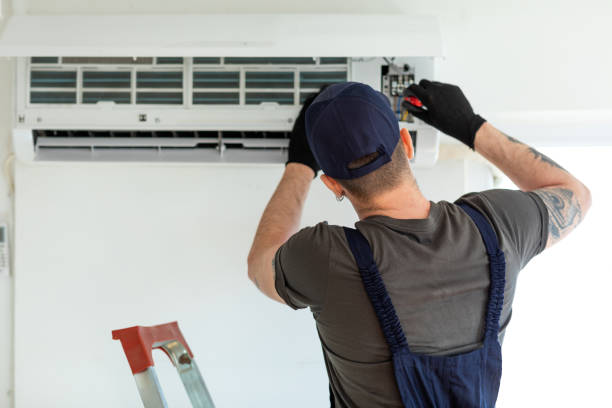
Maintaining a functional air conditioning system is crucial for comfort and energy efficiency, particularly during warmer months. However, there comes a time when repairs may no longer suffice, and replacing the system is the best option. Recognizing the signs that your air conditioner requires immediate replacement can save you from higher energy bills, frequent breakdowns, and discomfort.
Signs It’s Time to Replace Your Air Conditioner
- If you find yourself repeatedly calling an HVAC contractor to fix your air conditioner, it might be more cost-effective to replace it altogether. The cumulative cost of repairs often outweighs the price of a new system over time.
- An old or inefficient AC unit consumes more energy than necessary, leading to higher utility bills. Modern systems are designed with better energy efficiency standards that reduce operating costs.
- If certain rooms in your home are significantly warmer or cooler despite proper maintenance, this may indicate that your AC unit is struggling to distribute air evenly.
- Grinding, squealing, or rattling sounds coming from your air conditioner can indicate serious internal issues such as motor failure or loose components.
- Most air conditioners have a lifespan of 10–15 years with regular maintenance. If your unit is nearing or exceeding this range and showing performance issues, replacement should be considered.
- An outdated AC system may fail to filter dust, allergens, and pollutants effectively, which can impact health and comfort.
Benefits of Replacing Your AC System
- Energy Efficiency: New systems typically come with higher SEER (Seasonal Energy Efficiency Ratio) ratings for optimal power use.
- Improved Comfort: Modern units use advanced technology for precise temperature control and even cooling.
- Enhanced Features: Smart thermostats, improved filtration systems, and quieter operations are common in newer models.
- Lower Maintenance Costs: A new system eliminates the need for frequent servicing due to wear-and-tear issues common in older units.
| Factor | Repair Consideration | Replacement Consideration |
| Cost | Typically lower upfront | Higher upfront cost |
| Long-Term Expense | Cumulative repair costs add up | Lower long-term operational costs |
| Performance | May still experience issues post-repair | Optimal performance guaranteed |
| Lifespan | Limited improvement | Extended lifespan with a new unit |
Working with an HVAC Professional
Determining whether it’s time for a replacement requires expert evaluation. A professional HVAC contractor can assess factors such as refrigerant levels, ductwork condition, thermostat functionality, and overall system performance before recommending the best course of action for your home or business.
Replacing an aging air conditioning unit at the right time ensures consistent cooling while improving energy efficiency and indoor comfort levels over the years ahead.
Finding Solutions to Common AC Problems with Orlando AC Service
Air conditioning systems are essential for maintaining comfort in both residential and commercial spaces. However, like any mechanical system, they can develop issues over time. Understanding common AC problems can help you identify when to seek assistance from a professional HVAC contractor.
Expert Tips for Orlando FL Air Conditioning Repair
- Warm air blowing from vents despite setting the thermostat to cool.
- Weak airflow due to clogged filters, dirty coils, or duct obstructions.
- The system turns on and off more frequently than normal.
- Often caused by a malfunctioning thermostat, oversized unit, or failing components.
- Low refrigerant levels resulting in reduced cooling efficiency.
- May lead to hissing sounds or noticeable leaks around the unit.
- Grinding, squealing, or banging noises may indicate loose belts, damaged fan blades, or motor issues.
- Musty smells often point to mold growth within the system.
- Burning odors can signal electrical problems that need immediate attention.
- A sudden spike in energy costs without significant changes in usage could indicate poor efficiency due to a malfunctioning AC system.
How an HVAC Contractor Can Help
1. Comprehensive Diagnosis
- Contractors use specialized equipment to identify the root cause of problems accurately.
- They assess the entire system — including components like compressors, refrigerant levels, coils, and ductwork — ensuring nothing is overlooked.
2. Proper Maintenance Services
- Routine cleaning of air filters and evaporator coils improves airflow and cooling performance.
- Preventative maintenance plans reduce the likelihood of costly breakdowns by addressing minor issues early on.
3. Efficient Repairs
- Repairing refrigerant leaks safely while adhering to environmental regulations.
- Replacing worn-out parts such as motors, fans, or capacitors with high-quality alternatives for long-term reliability.
4. Energy Efficiency Improvements
- Upgrading thermostats for better control over energy usage.
- Replacing outdated systems with modern energy-efficient models when repairs are no longer sufficient.
When Should You Call a Professional?
| DIY Tasks | Professional Services |
| Regularly replacing air filters | Refrigerant leak detection & repair |
| Cleaning debris around outdoor units | Electrical component inspections |
| Checking thermostat settings | Replacing damaged compressors |
By addressing these common AC problems promptly with professional help as needed, you ensure your air conditioning system runs efficiently year-round while avoiding unexpected breakdowns during peak seasons.
How a Trusted HVAC Company Orlando, FL Ensures Long-Term System Reliability
Hiring a professional HVAC contractor for your air conditioning service is crucial in ensuring the long-term reliability and efficiency of your system. With proper care and expertise, your AC unit can deliver optimal performance for years to come. Here’s a detailed guide on why professional service matters and how it contributes to system longevity.
The Benefits of Professional AC Service
- Expert Diagnosis:
– HVAC professionals are trained to identify both major and minor issues that may not be visible to the untrained eye.
– They use advanced tools and techniques to assess your system’s performance, ensuring nothing is overlooked. - Preventative Maintenance:
– Regular maintenance performed by an expert helps detect potential problems early, preventing costly breakdowns in the future.
– Tasks such as cleaning coils, checking refrigerant levels, and inspecting wiring keep your system running efficiently. - Energy Efficiency Improvements:
– A properly serviced air conditioner uses less energy while maintaining optimal cooling performance.
– Professionals ensure components like fans, filters, and compressors are functioning efficiently, reducing utility bills over time. - Warranty Protection:
– Many manufacturers require proof of regular maintenance by licensed contractors to keep warranty coverage valid. – Skipping professional service could void your warranty, leaving you responsible for expensive repairs or replacements.
Key Services Provided by HVAC Contractors
| Service Task | Purpose | Frequency Recommended |
| Filter Replacement | Improves air quality and ensures proper airflow | Every 1–3 months (or as needed) |
| Refrigerant Level Check | Ensures efficient cooling | Annually |
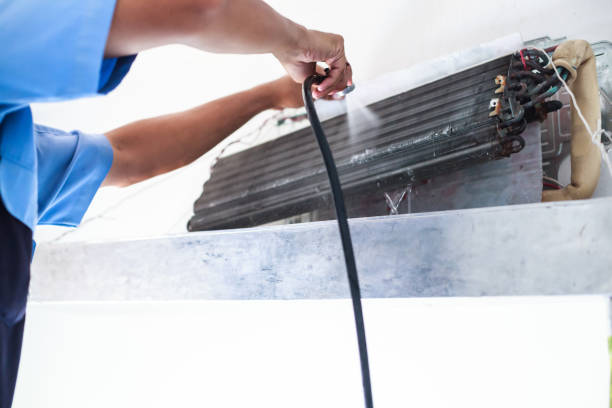
| Coil Cleaning | Enhances heat exchange efficiency | Once or twice per year |
| Electrical Connections Check | Prevents electrical hazards | Annually |
| Thermostat Calibration | Optimizes temperature control | Annually |
Risks of Skipping Professional AC Service
Neglecting professional servicing not only compromises the longevity of your unit but also poses risks such as:
– Decreased Efficiency: Dust buildup in filters and coils forces the system to work harder, increasing energy consumption.
– Frequent Repairs: Minor issues left unaddressed can escalate into significant malfunctions that require costly repairs. – Reduced Lifespan: Lack of maintenance accelerates wear on critical components like compressors or fans.
How Professional Service Contributes to Long-Term Reliability
Regular servicing ensures:
1. Consistent Performance: Your AC unit delivers consistent cooling even during peak seasons when demand is high. 2. Fewer Breakdowns: Addressing minor issues early reduces the likelihood of emergency repairs during critical times. 3. Prolonged Equipment Life: Systems that receive proper care typically last longer than those neglected over time.
By trusting a licensed HVAC contractor with these critical tasks, you’re investing in not just comfort but also cost savings over the lifespan of your equipment.
AC Compressor Failure: Key Warning Signs and Replacement Tips
The AC compressor is a critical component of your air conditioning system, responsible for circulating refrigerant and maintaining the cooling process. When it begins to fail, the performance of your AC system suffers, leading to discomfort and increased energy costs. Recognizing the early warning signs of compressor failure can help you take timely action and work with an HVAC contractor to resolve the issue effectively.
Key Warning Signs of AC Compressor Failure
- Insufficient Cooling: The compressor plays a crucial role in cooling your home. If rooms are no longer being cooled adequately despite setting the thermostat properly, it could be an early sign of compressor trouble.
- Unusual Noises: Grinding, rattling, or screeching noises coming from the outdoor unit may point to mechanical issues within the compressor.
- Frequent Circuit Breaker Trips: If your AC causes circuit breakers to trip repeatedly when it starts up, it may be due to a malfunctioning or overloading compressor motor.
- Warm Air Blowing from Vents: A failing compressor may struggle to compress refrigerant properly, resulting in warm or lukewarm air blowing through the vents.
- Refrigerant Leaks: While not always directly tied to the compressor itself, refrigerant leaks can strain the component. Addressing leaks promptly may help preserve its lifespan.
- High Energy Bills: An underperforming compressor has to work harder to achieve desired temperatures, which leads to higher energy consumption and inflated utility bills.
Tips for Handling Compressor Issues
- Consult an HVAC Contractor Early
If you suspect your AC’s compressor is failing, reaching out to a licensed HVAC contractor should be your first course of action. They can diagnose whether a repair or replacement is necessary. - Consider repairing minor issues such as electrical wiring faults or capacitor failures that might affect compression performance.
- For systems older than 10–15 years or compressors with extensive damage, a replacement may be more cost-effective in terms of energy savings and reliability.
- Understand Costs and Warranties
Replacing an AC compressor can be expensive depending on its size and brand compatibility:
| Type | Estimated Cost Range (Including Labor) |
| Residential Compressor | $1,200–$2,500 |
| Commercial Compressor | $2,500–$5,000 |
Always review warranty coverage before proceeding with major expenses.
- Schedule annual tune-ups with an HVAC professional.
- Clean condenser coils regularly.
- Ensure proper refrigerant levels are maintained during service checks.
Why Prompt Action Matters
Delaying repairs for a faulty AC compressor can lead to further damage throughout your entire cooling system. Left unresolved, other components like evaporator coils or fans may also sustain wear and tear due to improper operation. Acting quickly not only restores comfort but also prevents escalating repair costs down the road.
Understanding these key signs allows homeowners to spot potential issues early while working closely with qualified professionals who ensure efficient solutions tailored specifically for their systems’ needs.
When to Call a Professional HVAC Contractor vs. Attempting DIY Repairs
Owning an HVAC system comes with its share of responsibilities, including ensuring proper maintenance and timely repairs. While some minor issues may seem manageable for a DIY approach, certain situations call for the expertise of a professional HVAC contractor. Understanding when to take on repairs yourself and when to call in an expert can save you time, money, and potential system damage.
When DIY Repairs Might Be Appropriate
- Changing Air Filters: Replacing clogged or dirty air filters is a straightforward task that requires no professional intervention.
- Cleaning Vents and Registers: Dust and debris buildup can be removed using household tools like vacuums or microfiber cloths.
- Resetting the Thermostat: If an issue seems thermostat-related, verifying the settings or replacing dead batteries is a simple first step.
- Checking Circuit Breakers: Sometimes, an air conditioner may stop working due to tripped circuit breakers, which homeowners can reset themselves safely.
While these tasks are relatively low-risk, homeowners should proceed cautiously if uncertain about their skills or the problem’s scope.
Signs You Should Call a Professional HVAC Contractor
- Strange smells like burning odors coming from your unit.
- Frequent tripping of circuit breakers when turning on your HVAC system.
- Loose or damaged wiring visible during inspection.
Electrical problems involve high risks of injury, fire hazards, and damage to components if mishandled. These should always be addressed by certified professionals.
- Warm air blowing from your AC despite setting cooler temperatures.
- Hissing sounds near refrigerant lines.
- Ice formation on coils due to insufficient refrigerant levels.
Refrigerant leaks not only impact system performance but also pose environmental concerns if not properly handled by licensed technicians trained in safely recharging refrigerants.
- AC not starting despite functional power supply.
- Loud banging noises from outdoor units (signifying compressor damage).
- Unexplained short cycling (frequent turning on/off).
Major component failures often require diagnostic equipment and technical skills only available through professionals.
- Lack of Cooling Efficiency Despite Maintenance Efforts If your energy bills spike unexpectedly without any improvement in cooling output after routine filter changes or cleaning efforts, it’s time to seek professional advice for deeper inspection.
Risks of Attempting Complex Repairs Yourself
Attempting complex repairs without sufficient expertise can result in: – Voiding manufacturer warranties. – Damaging internal components irreparably. – Exposure to hazardous materials such as refrigerants. – Safety risks such as electrical shocks or fires during improper handling.
By contrast, hiring a skilled contractor ensures proper diagnosis using advanced tools while minimizing risks associated with amateur troubleshooting efforts.
Benefits of Hiring Professional Contractors
Calling an HVAC technician offers numerous benefits: | Service Aspect | Benefits | |————————-|————————————–| | Accurate Diagnosis | Technicians identify root causes efficiently using specialized equipment. | | Warranty Compliance | Professionals ensure repairs align with warranty guidelines for valid claims later on. | | Long-Term System Health | Proper fixes prevent recurring issues that could escalate into costly replacements over time.|
Knowing your limits when addressing HVAC problems is critical for maintaining both safety and optimal system performance.
- Identifying When to Call an HVAC Company Orlando, FL for AC Capacitor or Contactor Replacement
- Finding the Best HVAC Company Orlando, FL for Professional Air Conditioner Replacement
- The Complete Guide to Choosing an HVAC Company in Orlando, FL for Air Conditioning Replacement and Repair
- How Timely Orlando AC Service Can Save You Time and Money
- How to Identify When You Need Orlando AC Repair Services
- Expert Tips for Orlando AC Service and Troubleshooting Common Problems
- Signs Your Air Conditioner Needs Replacement: Tips from an HVAC Company Orlando, FL