

Maintaining a comfortable indoor environment is essential for homeowners, and air conditioning systems play a vital role in achieving that. However, like any mechanical system, air conditioners can experience wear and tear over time. Understanding when to repair or replace your unit can save you money and ensure optimal performance. This guide provides valuable insights into air conditioning replacement and repair to help you make the right decisions.
Benefits of Regular Maintenance
- Increased Efficiency: Cleaning filters, coils, and fins prevents dirt buildup, allowing the system to run efficiently.
- Prolonged Lifespan: Well-maintained systems last longer by reducing strain on components.
- Lower Energy Costs: A clean system reduces energy consumption.
- Fewer Repairs: Addressing small issues during routine checks prevents costly breakdowns.
When Should You Repair Your Air Conditioner?
- Minor Issues: Problems such as dirty filters, leaking refrigerant, or tripped breakers often require simple fixes.
- The Unit’s Age: If your system is under 10 years old, repairs are typically worth considering as modern units are designed for durability.
- Repair Costs are Low: Follow the 50% rule—if repairs cost less than half of a new system’s price, go ahead with the repair.
Signs That Replacement May Be Necessary
| Indicator | Why Replacement is Preferable |
| Frequent Breakdowns | Regular repairs suggest major underlying issues. |
| Rising Energy Bills | Older models consume more energy compared to newer systems with advanced technology like SEER ratings above 15+. |
| Outdated Technology | Older units may use phased-out refrigerants like R-22, which are costly and difficult to find today. |
Factors to Consider Before Replacement
- Size of Your Home: An appropriately sized AC ensures proper cooling without wasting energy.
- Energy Efficiency Ratings (SEER): The higher the SEER rating (Seasonal Energy Efficiency Ratio), the better the energy savings.
- Budget: Initial investment vs long-term savings should guide your decision.
The Role of Professional HVAC Contractors
While some minor repairs can be DIY-friendly (e.g., changing filters), hiring a professional HVAC contractor is crucial when handling complex issues such as electrical malfunctions or refrigerant leaks. Professionals have proper training and tools to ensure safety and efficiency during repairs or replacements.
- Verify their certifications (e.g., NATE certification).
- Ask about warranties on labor and parts.
- Request references from previous customers.
By following these guidelines, homeowners can confidently navigate the process of repairing or replacing their air conditioning systems while maximizing comfort at home year-round.
Expert Tips for Resolving Orlando AC Repair Issues and Common Air Conditioning Problems
Air conditioning systems, while crucial for maintaining comfort in homes, can encounter various issues over time. Recognizing these problems early and understanding how to address them can save homeowners both time and money. Below is an overview of the most common air conditioning problems and their possible solutions.
1. Insufficient Cooling or Uneven Temperatures
- Dirty or clogged air filters: When filters are not cleaned or replaced regularly, airflow becomes restricted, leading to poor cooling.
- Solution: Replace air filters every 1-3 months depending on use.
- Blocked vents or registers: Furniture or curtains blocking vents can result in uneven cooling.
- Solution: Ensure all vents are clear and unobstructed.
- Refrigerant leaks: Low refrigerant levels can cause the system to underperform.
- Solution: Contact a licensed HVAC contractor to diagnose and refill refrigerant levels.
2. AC Unit Not Turning On
- Thermostat issues: Incorrect thermostat settings or a malfunctioning thermostat may prevent the AC from turning on.
- Solution: Check that the thermostat is set to “cool” mode and ensure its batteries are functioning.
- Power supply problems: A tripped circuit breaker or blown fuse might interrupt power to the unit.
- Solution: Reset the breaker or replace fuses as needed.
3. Water Leaks Around the Unit
- Clogged condensate drain line: This line removes moisture from your system. If blocked, water backs up into the unit.
- Solution: Use a wet/dry vacuum or call a professional for drain line cleaning.
- Faulty condensate pump (for systems requiring one): If this pump fails, water won’t drain correctly.
- Solution: Replace or repair the pump with professional help.
| Issue | Possible Cause | Recommended Solution |
| Water leaks | Clogged drain line | Clean with wet/dry vacuum |
| AC not cooling properly | Dirty air filter | Replace filter monthly |
| Not turning on | Thermostat malfunction | Replace batteries/check mode |
4. Strange Noises During Operation
Unusual noises such as banging, screeching, or rattling often point to mechanical problems within the system.
- Loose components such as fan blades may cause rattling noises.
- Solution: Tighten screws and bolts if accessible; call a technician for internal repairs.
- Worn-out belts may lead to squealing sounds during operation.
- Solution: Have an HVAC specialist replace worn belts promptly.
Preventive Maintenance Tips
- Schedule regular maintenance appointments with a certified HVAC contractor (at least once annually).
- Clean outdoor condenser units frequently by removing dirt and debris.
- Monitor refrigerant levels during routine checks by hiring experienced technicians.
Addressing small problems promptly is essential for extending the life of your air conditioning system while ensuring efficient performance throughout its lifespan.
How to Handle the Most Common Orlando FL Air Conditioning Repair Issues
Air conditioning systems are essential for maintaining comfort in homes, particularly during warmer months. However, like any mechanical system, they can experience issues that disrupt functionality. Understanding common air conditioning problems and how to address them can help homeowners maintain a well-functioning system while avoiding costly repairs or replacements.
1. Refrigerant Leaks
Problem: One of the most frequent issues is low refrigerant levels caused by leaks in the system. Refrigerant is crucial for ensuring that the AC cools effectively, and a leak can lead to poor cooling performance or even system breakdowns.
How to Address: – Check for obvious signs such as warm air from vents or ice buildup on coils. – Contact a licensed HVAC contractor to locate and repair the leak. – Recharge (refill) refrigerant levels as needed after repairs.
Tip: Only certified professionals should handle refrigerants due to environmental regulations.
2. Dirty or Clogged Air Filters
Problem: Over time, air filters accumulate dust, debris, and allergens, which restrict airflow through the system. This not only reduces cooling efficiency but also puts additional strain on your AC unit.
How to Address: – Inspect filters every 30–60 days during peak usage seasons. – Replace disposable filters regularly or clean reusable ones according to manufacturer guidelines. – Consider upgrading to high-efficiency particulate air (HEPA) filters if allergies are a concern.
3. Frozen Evaporator Coils
Problem: When evaporator coils freeze, it’s usually due to restricted airflow or low refrigerant levels. Frozen coils prevent proper heat absorption from indoor air and reduce overall cooling efficiency.
How to Address: – Turn off the AC unit immediately if you notice ice forming on coils. – Ensure vents and registers are open and unblocked by furniture or other objects. – Schedule professional maintenance for cleaning and refrigerant level checks.
4. Faulty Thermostat
Problem: An outdated, damaged, or malfunctioning thermostat can disrupt temperature regulation in your home, making it uncomfortable either by overcooling or undercooling spaces.
How to Address: – Test thermostat accuracy using an indoor thermometer. – Replace batteries if it’s battery-operated. – Upgrade to a programmable or smart thermostat for enhanced control and energy savings.
5. Electrical Issues
Problem: Problems such as tripped circuit breakers, faulty wiring, or worn-out capacitors can cause your AC system to stop working entirely. Electrical issues may also pose safety risks like fires if not handled correctly.
How to Address: – Check the breaker box for tripped circuits before calling a professional. – Avoid tampering with internal electrical components unless you are trained. – Have an HVAC technician inspect and repair wiring periodically during maintenance visits.
| Electrical Component Issue | Possible Symptoms | Recommended Action |
| Capacitor Failure | Fan motor not running | Replace capacitor via technician |
| Loose Wiring | Intermittent power loss | Professional inspection required |
| Breaker Overload | System shuts off unexpectedly | Reset breaker; check power load |
Preventative Maintenance Tips
- Schedule annual tune-ups with a licensed HVAC contractor.
- Clean vents and ducts periodically for better airflow.
- Keep condenser units clear of debris like leaves or grass clippings.
- Monitor energy bills—spikes may indicate inefficiencies in your system.
By identifying these common AC problems early and addressing them promptly, homeowners can ensure their systems operate efficiently while extending their lifespan significantly.
Comparing Common AC Problems and Effective Replacement Solutions
Understanding common air conditioning (AC) problems and evaluating whether to repair or replace your system can save homeowners significant time, money, and discomfort. Below is a detailed comparison of frequent AC issues and effective solutions, including when replacement might be the best course of action.
Common Air Conditioning Problems
- Symptoms: Reduced cooling efficiency, uneven cooling, or frozen evaporator coils.
- Repair Solution: Identifying the source of the leak and recharging refrigerant levels. Modern systems using R-410A refrigerant may also require addressing environmental compliance standards.
- Replacement Consideration: If your system uses outdated refrigerant like R-22 (phased out due to environmental concerns), replacing the AC unit is often more cost-effective long-term.
- Symptoms: System not turning on, warm air blowing instead of cold air, or unusual noises from the outdoor unit.
- Repair Solution: Replacing the faulty compressor component if the rest of the system is in good condition.
- Replacement Consideration: For older units nearing their lifespan or when repair costs exceed half the price of a new system, replacing the entire unit ensures better energy efficiency and reliability.
- Symptoms: Poor airflow, increased energy bills, and reduced indoor air quality.
- Repair Solution: Regularly cleaning or replacing filters every 1-3 months can restore performance quickly and inexpensively.
- Replacement Consideration: While this issue rarely warrants full-system replacement, repeatedly neglecting filter maintenance may cause long-term damage to components like fans or motors that might necessitate replacement eventually.
- Symptoms: Frequent tripping of circuit breakers, flickering lights when AC operates, or inconsistent cycling on/off patterns.
- Repair Solution: Addressing faulty wiring connections or replacing damaged electrical components such as capacitors.
- Replacement Consideration: If your unit repeatedly experiences electrical failures due to age-related wear-and-tear on multiple parts simultaneously, upgrading to a newer model could minimize future interruptions.
- Symptoms: Rooms not reaching desired temperatures despite prolonged operation.
- Repair Solution: Inspecting ductwork for leaks and ensuring proper insulation; verifying that your current system size matches home requirements based on square footage.
- Replacement Consideration: Oversized/undersized systems often struggle with inefficiency—replacing them with appropriately sized models enhances cooling performance while lowering energy consumption.
Repair vs Replacement: Key Factors to Evaluate
| Factor | When Repair Makes Sense | When Replacement Is Ideal |
| Age of System | Less than 10 years old | Exceeds 10-15 years (approaching end of lifespan) |
| Frequency of Repairs | Minimal history of breakdowns | Recurring issues requiring costly repairs |
| Energy Efficiency | System operates efficiently within acceptable costs | Monthly energy bills are rising significantly |
| Availability of Parts | Spare parts are readily available | Obsolete parts make repairs impractical |
Benefits of Proactive Replacement Over Reactive Repairs
- Improved Energy Efficiency: Newer models are designed with advanced technology that reduces energy consumption by up to 30%. This leads to substantial savings on utility bills over time.
- Enhanced Indoor Comfort: Upgraded systems cool spaces more evenly while improving humidity control for year-round comfort.
- Reliability & Peace of Mind: A newer unit minimizes unexpected breakdowns during peak seasons when cooling is critical.
By carefully comparing these common issues with effective repair strategies versus potential replacements, homeowners can make informed decisions about protecting their investment in home comfort systems effectively over time.
Frequently Asked Questions About HVAC Systems and When to Replace Your AC Unit
As a homeowner, understanding your HVAC system and knowing when it’s time to replace your air conditioning unit can save you both time and money. Below, we address some of the most common questions about HVAC systems and provide insights into when a replacement might be necessary.
How Often Should I Schedule Maintenance for My AC System?
- Check refrigerant levels.
- Inspect electrical connections.
- Clean or replace air filters.
- Lubricate moving parts.
- Ensure overall system efficiency.
This proactive approach can help you catch small issues before they become costly repairs.
What Are Signs That My AC Unit Needs to Be Replaced?
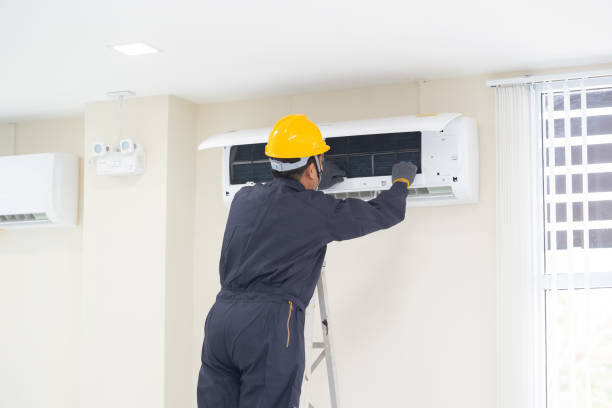
- Frequent Breakdowns
If you find yourself calling for repairs several times a year, this could indicate that your unit is nearing the end of its lifespan. - Increased Energy Bills
Older units often use more energy as they lose efficiency, leading to higher utility bills despite consistent usage patterns. - Uneven Cooling
If certain areas of your home remain warm while others are overly cold, it could mean that your AC unit is no longer capable of distributing cool air evenly. - Age of the System
The average lifespan of an air conditioner is around 10–15 years. If yours falls within or beyond this range, consider replacing it with a modern energy-efficient model. - Rising Repair Costs
When repair costs exceed half the value of a new system, replacement becomes the more financially sound choice.
Should I Prioritize Repairing or Replacing My Air Conditioner?
| Factor | Repair Suggested | Replacement Suggested |
| Age | Less than 10 years old | Over 10–15 years old |
| Repair Cost | Less than half the cost of replacement | Exceeds 50% of replacement cost |
| Energy Efficiency | High-efficiency unit | Outdated/low SEER rating |
If you’re unsure about which route to take, consulting with an experienced HVAC contractor can help you make an informed decision based on your home’s needs and budget.
What Is SEER Rating and Why Does It Matter?
SEER (Seasonal Energy Efficiency Ratio) measures how efficiently an air conditioning system uses energy over a cooling season. A higher SEER rating means better energy efficiency. Modern AC units typically have SEER ratings ranging from 13–25+, while older models may fall below these standards.
Replacing an outdated unit with one that has a high SEER rating can result in significant long-term savings on energy bills as well as reduced environmental impact due to lower energy consumption.
How Can I Choose the Right Replacement Unit?
- Size: An improperly sized unit (too large or too small) can lead to inefficiency or insufficient cooling.
- Energy Efficiency: Look for ENERGY STAR-certified models with high SEER ratings.
- Warranty: Choose systems backed by solid manufacturer warranties for peace of mind.
- Features: Advanced features like smart thermostats or variable-speed compressors can enhance comfort and convenience.
Consulting with a licensed HVAC professional ensures you select the ideal unit tailored to your home’s specific requirements.
By staying informed about HVAC systems and monitoring warning signs early on, homeowners can make smarter decisions about repairs or replacements while maximizing comfort year-round.
Frequently Asked Questions About HVAC Systems and When to Replace Your AC Unit
When it comes to HVAC systems, homeowners often have numerous questions about maintenance, repairs, and replacements. Understanding the life cycle of your air conditioning system and knowing when to replace it can save you time, money, and discomfort. Below are some frequently asked questions about HVAC systems and tips for determining when it’s time to replace your AC unit.
How Long Does an AC Unit Typically Last?
On average, a well-maintained air conditioner lasts between 10-15 years. Factors such as usage frequency, local climate conditions, and whether regular maintenance has been performed can influence its lifespan. Units located in regions with extreme weather conditions may experience more wear and tear.
| Type of AC Unit | Average Lifespan |
| Central Air Conditioning | 12-15 years |
| Ductless Mini-Split System | 15-20 years |
| Window Air Conditioner | 8-10 years |
What Are Key Warning Signs That It’s Time to Replace Your AC?
- Frequent Repairs: If your AC requires repeated repairs within a short period, this could signal the system is failing.
- Declining Efficiency: A noticeable increase in energy bills without additional usage might mean the unit is struggling to maintain performance.
- Uneven Cooling: Rooms in your home may feel inconsistently cooled, indicating that your unit is no longer operating effectively.
- Excessive Noise: Louder-than-usual operation noises could suggest internal components are wearing out or malfunctioning.
- Age of the System: Units beyond the 15-year mark are more likely candidates for replacement than repair.
Should I Replace My AC or Repair It?
- If repair costs exceed half of what it would cost to purchase a new unit, replacement is often recommended.
- Consider energy efficiency—older models may consume more energy than newer ones with advanced technology like SEER (Seasonal Energy Efficiency Ratio) ratings above 16 or ENERGY STAR certification.
- Evaluate comfort levels: If repairs fail to mitigate hot spots or improve air quality in your home, replacing the system may enhance overall comfort.
Are Newer Models More Energy-Efficient?
- High-efficiency models include features such as variable-speed compressors for optimized cooling.
- Smart thermostat compatibility allows precise temperature control.
- Advanced filters improve indoor air quality while consuming less power.
For example: Switching from an older system with a SEER rating of 10 to one rated at 16 can reduce cooling costs by up to 30%. This improvement not only lowers utility bills but also reduces environmental impact by minimizing energy consumption.
What Is an Ideal Maintenance Schedule?
- Change filters every 1–3 months (depending on usage).
- Schedule professional tune-ups annually—ideally before peak summer seasons.
- Clear debris around outdoor units for proper airflow.
- Inspect ductwork periodically for leaks or blockages affecting efficiency.
Proactive care helps you avoid costly emergency repairs while maintaining consistent performance throughout the year.
By understanding these commonly asked questions about HVAC systems and making informed decisions regarding maintenance versus replacement, homeowners can ensure their homes remain comfortable year-round without unnecessary expenses or disruptions.
Top Signs You Need Immediate Orlando AC Service for Your Air Conditioner
An air conditioning system is a crucial component of your home’s comfort, especially during warmer months. However, like all appliances, it has a limited lifespan. Ignoring signs that your AC unit is failing can lead to higher energy bills, costly repairs, and decreased comfort. Below are five key indicators that suggest it’s time to replace your air conditioner.
1. Frequent Repairs
If you find yourself calling an HVAC contractor multiple times a year for repairs, this may be a strong indication that your AC unit is nearing the end of its useful life. While occasional maintenance or minor fixes are normal, frequent repairs can quickly add up in cost—sometimes approaching the price of a new system.
Consider these factors when evaluating repair costs:
– Are repairs becoming more expensive?
– Is warranty coverage still valid for parts and labor?
– Have specific components (e.g., compressor) failed repeatedly?
A good rule of thumb: if repair costs exceed 50% of the cost of a new system, replacement is often the wiser investment.
2. Declining Energy Efficiency
Older air conditioning systems tend to lose efficiency over time due to wear and tear or outdated technology. Rising energy bills could indicate that your AC unit is working harder than it should to cool your home.
Signs of inefficiency include:
– Increasing monthly utility bills with no change in usage habits
– Difficulty maintaining consistent indoor temperatures
– Your seasonal energy efficiency ratio (SEER) rating is below current standards
If you notice these issues, upgrading to a modern unit with improved SEER ratings can significantly reduce energy costs and environmental impact.
| SEER Rating | Efficiency Level | Annual Energy Savings Potential |
| Below 13 | Low | Minimal |
| 14–16 | Moderate | Significant |
| 17+ | High | Maximum |
3. Uneven Cooling Distribution
Does one room in your house feel cool while another remains uncomfortably warm? Poor airflow or uneven cooling could signal deeper problems with your system’s ductwork or aging components.
Common causes include:
– Failing blower motors or fans
– Dirty evaporator coils reducing airflow capacity
– Leaks in ductwork leading to energy loss
While some issues can be addressed through cleaning or minor repairs, chronic cooling imbalances often point toward an outdated system requiring replacement.
4. Excessive Noise Levels
Loud noises such as grinding, banging, or squealing coming from your air conditioner aren’t normal. These sounds usually indicate mechanical failure or worn-out parts. Motors, compressors, and belts breaking down are typical culprits.
Over time:
– The noise may worsen if left unattended.
– It may indicate structural wear difficult to fix permanently without replacing the unit entirely.
Modern systems are designed to run quieter than older models while delivering better performance.
5. Advanced Age of Your AC Unit
The average lifespan of an air conditioning unit ranges from 10–15 years depending on usage and maintenance routines. If yours has surpassed this timeframe and shows signs of inefficiency or costly breakdowns, replacing it might be more cost-effective in the long term.
Here’s how age impacts maintenance decisions:
| Age (Years) | Recommendation | Rationale | |——————|————————-|————————————–| | Less than 10 | Repair if needed | Newer systems still have value | | Between 10–15 | Consider replacement | Efficiency declines significantly | | Over 15 | Replace immediately | Outdated technology impacts savings |
Final Thoughts on AC Replacement Indicators
Paying attention to these warning signs allows homeowners to act proactively before problems escalate into emergencies during peak summer months. Investing in a new air conditioning system not only enhances comfort but also improves energy efficiency and reduces annual operating expenses over time—making it a worthwhile upgrade for many households.
Recognizing the Five Indicators that Your Air Conditioner Requires Immediate Replacement
1. Frequent and Expensive Repairs
If your air conditioner requires frequent servicing or costly repairs, it may be more economical to replace it entirely. Consider the “50% rule”: if the cost of a single repair is more than half the price of a new system, it’s time to invest in a replacement.
Common warning signs include:
– Recurring refrigerant leaks
– Malfunctioning compressors
– Electrical control failures
Repair vs. Replacement Example:
| Repair Expense | New AC Cost | Recommended Action | |—————-|————-|———————| | $1,000 | $3,500 | Replace | | $200 | $3,500 | Repair |
2. Decreased Energy Efficiency
An older AC unit may struggle to cool your home efficiently, leading to higher utility bills. Systems over 10–15 years old often lack modern energy-saving technology such as high SEER (Seasonal Energy Efficiency Ratio) ratings.
Signs of poor efficiency:
– Rising energy bills despite no change in usage
– Uneven cooling throughout the home
– Unit runs constantly without effectively cooling
Upgrading to an ENERGY STAR-certified system can significantly reduce your energy consumption and save money over time.
3. Inconsistent or Insufficient Cooling
If parts of your home remain warm even when your AC is running at full capacity, this could indicate a failing compressor or an undersized system that’s no longer adequate for your needs. Replacing such systems ensures proper cooling performance.
Possible causes:
– Aging components unable to meet demand
– Refrigerant leaks reducing cooling effectiveness
4. Excessive Noise or Strange Odors
Unusual noises like grinding, clanking, or hissing noises coming from your AC can indicate severe mechanical issues that warrant immediate attention. Similarly, musty odors suggest mold growth within ducts or other parts of the system.
When replacement is necessary:
– Persistent mechanical noises after repairs – Strong odors that cleaning cannot resolve
Replacing these units helps eliminate health risks associated with poor air quality and ensures quieter operation.
5. Age of the System
The average lifespan of most air conditioners ranges from 10–15 years under normal use conditions with proper maintenance. If you have an aging unit approaching this range—or exceeding it—it’s time to consider replacing it even if it seems operational now.
Factors affected by age include:
– Decreased reliability due to wear and tear
– Obsolete parts making repairs difficult or impossible
Replacing an older unit enhances comfort and avoids unexpected breakdowns during peak seasons.
By recognizing these indicators early on, you can avoid further inconvenience while ensuring a comfortable and efficient living environment year-round. Always consult with an experienced HVAC contractor before making significant decisions about repair or replacement options for your air conditioning system.
- Identifying When to Call an HVAC Company Orlando, FL for AC Capacitor or Contactor Replacement
- Finding the Best HVAC Company Orlando, FL for Professional Air Conditioner Replacement
- The Complete Guide to Choosing an HVAC Company in Orlando, FL for Air Conditioning Replacement and Repair
- How Timely Orlando AC Service Can Save You Time and Money
- How to Identify When You Need Orlando AC Repair Services
- Expert Tips for Orlando AC Service and Troubleshooting Common Problems
- Signs Your Air Conditioner Needs Replacement: Tips from an HVAC Company Orlando, FL